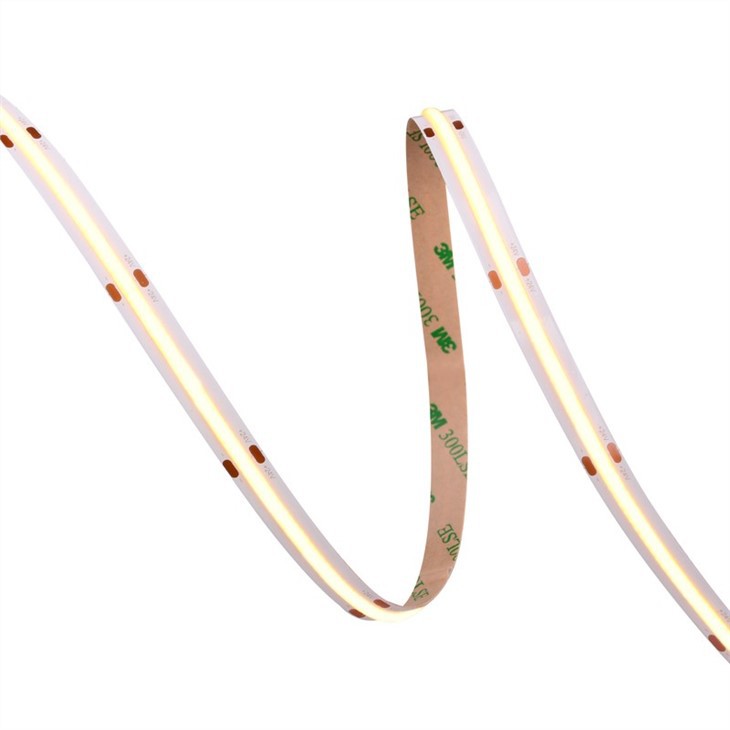
LED灯带技术简介
LED灯带 lighting has revolutionized modern illumination solutions, offering unprecedented flexibility, energy efficiency, and design possibilities across residential, commercial, and industrial applications. These innovative lighting systems consist of multiple light-emitting diodes mounted on flexible circuit boards, providing continuous linear illumination that traditional lighting cannot match.The global LED strip market has experienced remarkable growth, reaching $8.9 billion in 2023 and projected to achieve $15.2 billion by 2030, according to Grand View Research. This expansion reflects increasing adoption across smart home systems, architectural lighting, and commercial installations where LED strip solutions deliver superior performance and cost-effectiveness.Modern LED strip technology incorporates advanced features including color-changing capabilities, dimming controls, and smart connectivity, making these systems essential components in contemporary lighting design strategies.

什么是LED灯带及其工作原理?
一个
LED灯带 represents a flexible printed circuit board populated with surface-mounted LEDs at regular intervals, typically every 2-4 inches. These strips operate on low-voltage direct current (12V or 24V), making them safe for various installation environments while maintaining high luminous efficiency.The fundamental operation involves electrical current flowing through semiconductor junctions within each LED, generating photons that produce visible light. Quality LED strip products achieve luminous efficacies exceeding 100 lumens per watt, significantly outperforming traditional incandescent and fluorescent alternatives.Advanced LED strip configurations incorporate phosphor coatings to achieve specific color temperatures ranging from warm white (2700K) to cool white (6500K), while RGB variants utilize red, green, and blue LEDs for full-spectrum color reproduction.
LED灯带技术规格
| 规格 | 标准范围 | 专业级 |
| 输入电压 | 12V-24V直流 | 24V-48V直流 |
| 功耗 | 8-14.4瓦/米 | 15-25瓦/米 |
| LED密度 | 30-60个LED/米 | 120-240个LED/米 |
| 色温 | 2700K-6500K | 2200K-8000K |
| CRI评级 | 80-90 | 90-98 |
| 寿命 | 25,000-35,000小时 | 50,000小时以上 |
如何为您的项目选择合适的LED灯带?
选择合适的
LED灯带照明 requires careful consideration of application requirements, environmental conditions, and performance expectations. Professional lighting designers evaluate multiple factors including luminous output, color rendering index (CRI), and thermal management capabilities.The decision process begins with determining required illuminance levels measured in lux or foot-candles for specific applications. Task lighting applications typically require 300-500 lux, while ambient lighting needs range from 50-200 lux depending on space function and user preferences.Environmental factors significantly impact LED strip selection, particularly moisture resistance ratings (IP ratings) for outdoor or wet location installations. IP65-rated strips provide protection against water jets, while IP68 ratings ensure submersion resistance for underwater applications.
LED灯带选择标准矩阵
| 应用类型 | 推荐密度 | 功率等级 | IP等级 | 颜色选项 |
| 橱柜下 | 60个LED/米 | 8瓦/米 | IP20 | 暖白 |
| 凹槽照明 | 120个LED/米 | 6W/米 | IP20-IP44 | 可调白光 |
| 户外重点照明 | 60-120颗LED/米 | 12-15W/米 | IP65-IP68 | RGB+W |
| 建筑照明 | 240颗LED/米 | 20-25W/米 | IP20-IP44 | 全光谱 |
| 景观照明 | 30-60个LED/米 | 2-12W/米 | IP67-IP68 | 变色 |
什么是正确的LED灯带安装流程?
专业
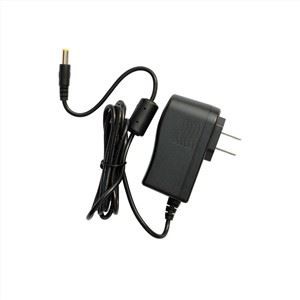
LED灯带安装 demands systematic planning and adherence to electrical safety standards. The installation process begins with surface preparation, ensuring clean, smooth mounting surfaces that facilitate proper adhesive bonding and heat dissipation.Proper power supply sizing represents a critical installation consideration, with calculations based on total strip length and power consumption per meter. Professional installations incorporate 20% capacity derating to ensure reliable operation and extended system lifespan under varying load conditions.Circuit design must account for voltage drop limitations, particularly in longer installations exceeding 5 meters. Professional electricians implement parallel feeding techniques or signal amplifiers to maintain consistent brightness and color accuracy throughout extended LED strip runs.
安装质量控制检查表
安装前阶段:Surface preparation and cleaning verification
Power supply capacity calculations and verification
Circuit protection device sizing and installation
Environmental condition assessment for IP rating requirements
安装阶段:Proper strip cutting at designated cut points only
Soldering or connector quality inspection for reliable connections
Heat sink installation for high-power applications exceeding 15W/meter
Cable management and strain relief implementation
测试和调试:Voltage measurement at strip endpoints to verify acceptable levels
Color temperature consistency verification across entire installation
Dimming functionality testing throughout full range operation
Control system integration and programming validation
LED灯带控制和调光系统如何工作?
现代
LED灯带调光 systems utilize various control methods including pulse-width modulation (PWM), analog voltage control, and digital addressable protocols. PWM dimming maintains consistent color temperature across the dimming range while providing smooth, flicker-free operation suitable for video applications.Professional control systems incorporate constant current drivers that regulate LED current independent of voltage variations, ensuring consistent light output and extended LED lifespan. These systems typically achieve dimming ranges from 1-100% with resolution exceeding 16-bit precision for smooth transitions.Smart control integration enables wireless connectivity through protocols including Wi-Fi, Zigbee, and Bluetooth, allowing integration with home automation systems and voice control platforms. Professional installations often incorporate DALI (Digital Addressable Lighting Interface) protocols for commercial building management system integration.
常见的LED灯带性能问题及解决方案有哪些?
LED strip performance problems frequently involve color shift, premature failure, or inconsistent brightness across installations. These issues typically result from inadequate thermal management, voltage drop, or poor-quality components that fail to meet specified performance parameters.Thermal management becomes critical in high-density installations where excessive heat accumulation reduces LED efficiency and lifespan. Professional installations incorporate aluminum channels with thermal interface materials to enhance heat dissipation and maintain optimal operating temperatures below 85°C junction temperature.Color shift issues often indicate aging phosphor materials or thermal stress, particularly in high-power applications. Quality LED strips utilize high-temperature phosphors and thermal protection circuits to minimize color drift over the rated lifespan.
常见问题故障排除
| 问题 | 可能原因 | 专业解决方案 |
| 亮度不均 | 电压降 | 安装并联供电或放大器 |
| 色温偏移 | 热应力 | 改善散热与气流 |
| LED过早失效 | 过压/过热 | 验证电源稳压 |
| 调光时闪烁 | 调光器不兼容 | 使用PWM兼容控制器 |
| 粘合失效 | 表面污染 | 清洁并打底安装表面 |
| 连接失效 | 焊接不良 | 使用合适的助焊剂与温度 |
如何计算LED灯带功率需求与效率?
精确
LED灯带功耗 calculations ensure proper system sizing and optimal energy efficiency. Professional calculations consider total strip length, power consumption per meter, and efficiency losses in power supplies and control systems.The basic calculation formula:
总功率 = 灯带长度(米)× 每米功率(瓦)× 安全系数(1.2). This approach accounts for variations in manufacturing tolerances and ensures adequate capacity for reliable operation.Efficiency calculations must consider the entire system including power supplies, which typically achieve 85-95% efficiency in quality units. High-efficiency installations can achieve overall system efficacies exceeding 90 lumens per watt when properly designed and installed.
什么是高级LED灯带应用与未来趋势?
Contemporary LED strip applications extend beyond basic illumination into specialized fields including horticulture, circadian lighting, and architectural integration. Horticultural LED strips utilize specific spectral compositions optimized for plant photosynthesis, incorporating red (660nm) and blue (450nm) wavelengths in precise ratios.Circadian lighting applications employ tunable white LED strips that automatically adjust color temperature throughout daily cycles, supporting natural circadian rhythms and improving occupant well-being. These systems typically transition from 2700K warm light in evening hours to 5000K+ cool light during peak productivity periods.Future developments focus on improved efficacy, reaching 200+ lumens per watt, and enhanced control capabilities including individual LED addressing and real-time color correction. Integration with IoT platforms and AI-driven control systems enables predictive maintenance and adaptive lighting responses based on occupancy patterns and environmental conditions.
专业安装标准与安全考量
专业
LED灯带照明安装 must comply with relevant electrical codes including NEC Article 411 for low-voltage lighting systems. These standards specify requirements for Class 2 circuits, maximum voltage levels, and protection methods for safe installation and operation.Safety considerations include proper isolation from line voltage circuits, adequate wire sizing for current loads, and appropriate connector ratings for environmental conditions. Professional installations utilize UL-listed components and follow manufacturer installation guidelines to ensure code compliance and optimal performance.Quality assurance protocols involve pre-installation testing, proper documentation, and post-installation commissioning to verify system performance meets design specifications and safety requirements.Installation procedures align with NEC electrical code requirements and professional lighting industry best practices as established by certified lighting professionals and electrical contractors.Related hot tags:How to choose LED strip lightsLED strip installation guideLED strip power calculationLED strip technical specificationsBest LED strip for under-cabinet lighting


 Chinese
 English
 French
 Japanese
 Korean
 German
 Spanish
 Italian
 Portuguese
 Vietnamese
 Turkish
 Arabic
 Russian
 Czech
Czech
 Thai
Thai
 Welsh
Welsh
 Bulgarian
 Urdu
Urdu
 Polish
 Croatian
 Ukrainian
 Bashkir
 Afrikaans
 Lithuanian
 Latvian
 Hebrew
 Romanian
 Greek
Greek
 Danish
 Hungarian
 Norwegian
 Finnish
 Dutch
Dutch
 Swedish
 Slovak
 Slovenian
 Indonesian
 Myanmar
 Maltese
 Haitian Creole
 Catalan
 Serbian
Ewe
Queretaro Otomi
Hmong Daw
Klingon
Fijian
Yucatec Maya
Serbian (Cyrillic)
Serbian
Ewe
Queretaro Otomi
Hmong Daw
Klingon
Fijian
Yucatec Maya
Serbian (Cyrillic)